
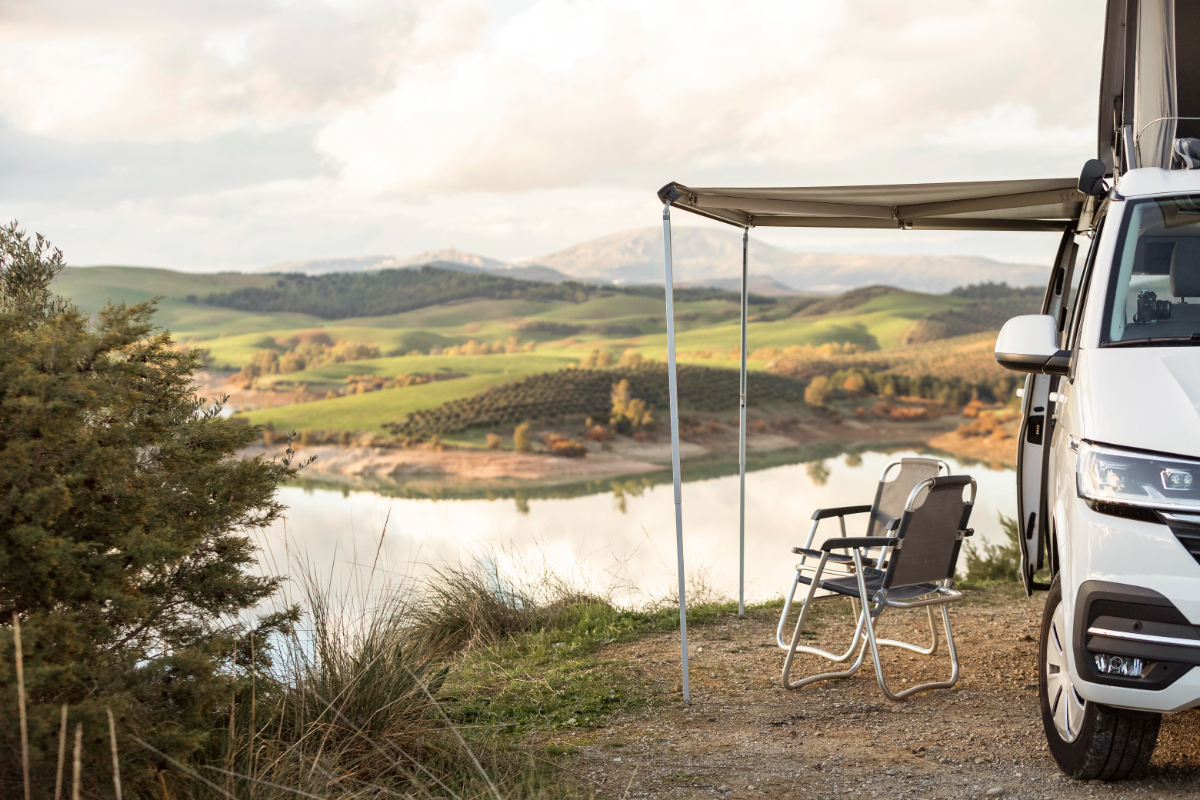
Read our Guide to Caravan Storage. Even where there's space at home, there are numerous factors for taking into consideration a protected storage site.
Guide to Caravan Storage
A caravan can take up a lot of space at home. It can also cause problems with parking, block a driveway, or create issues with neighbours. Even when you do have space at home, caravan storage can still be the safer and more convenient choice.
Storing your caravan at a secure storage site can give you peace of mind, especially if you do not use it for several weeks or months at a time. It can also help protect an expensive vehicle from theft, damage, poor weather, and general wear while it is not on the road.
According to current numbers, many caravan thefts take place from the home, while far fewer happen from secure storage sites. This is why choosing the right storage location is so important. A well-run storage facility should make it harder for thieves to gain access and should help keep your caravan safe until your next trip.
Why Choose Caravan Storage?
A good caravan storage site gives you a secure place to store your caravan when it is not in use. This is often better than leaving it on a driveway, grass surface, or open parking area at home.
A storage facility may also be useful if your home has limited space, if you live in an area with parking rules, or if you do not want your caravan sitting outside your house through the winter season. For many people, secure storage is worth the cost because it offers better protection and makes it easier to prepare the caravan when spring arrives.
When choosing a site, think about location, access, security, cost, and how often you expect to visit. Ideally, the site should be close enough to home that you can check the caravan when needed, but secure enough to reduce the chances of theft or damage.
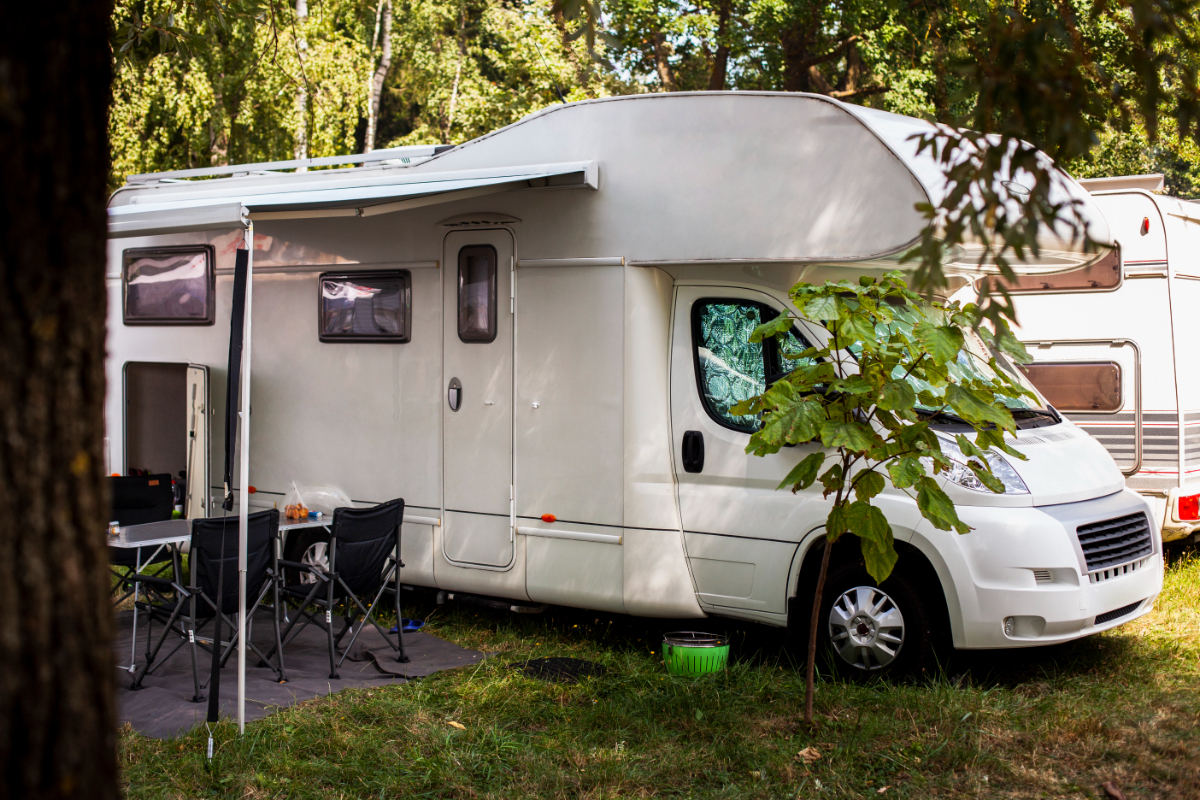
What to Look for in a Secure Storage Site
When you find a caravan storage site, make sure it has strong security systems in place. A secure storage site should generally include CCTV, lighting, controlled access, and clear rules for people entering and leaving.
Important things to check include:
• A secure compound surrounded by security fencing.
• A single entry and exit point, ideally through controlled security gates.
• Individual access, such as key fobs, so the site can record each visit.
• CCTV cameras, security lighting, and alarm systems.
• Wide roads and pitches for easy turning and safe manoeuvring.
• Vermin control to help protect the caravan inside and out.
• A safe surface, such as hard standing, rather than grass.
• On-site assistance, where available.
• Fire protection equipment.
Some storage facilities are regulated or checked by recognised schemes, such as CaSSOA. This can help you understand the level of security and care offered by the storage site. It is still important to visit in person, check the terms, and ask how the site is managed before leaving your caravan there.
Indoor, Covered, or Open Air Storage
One of the first things to decide is whether you want your caravan stored indoors, under cover, or in the open air.
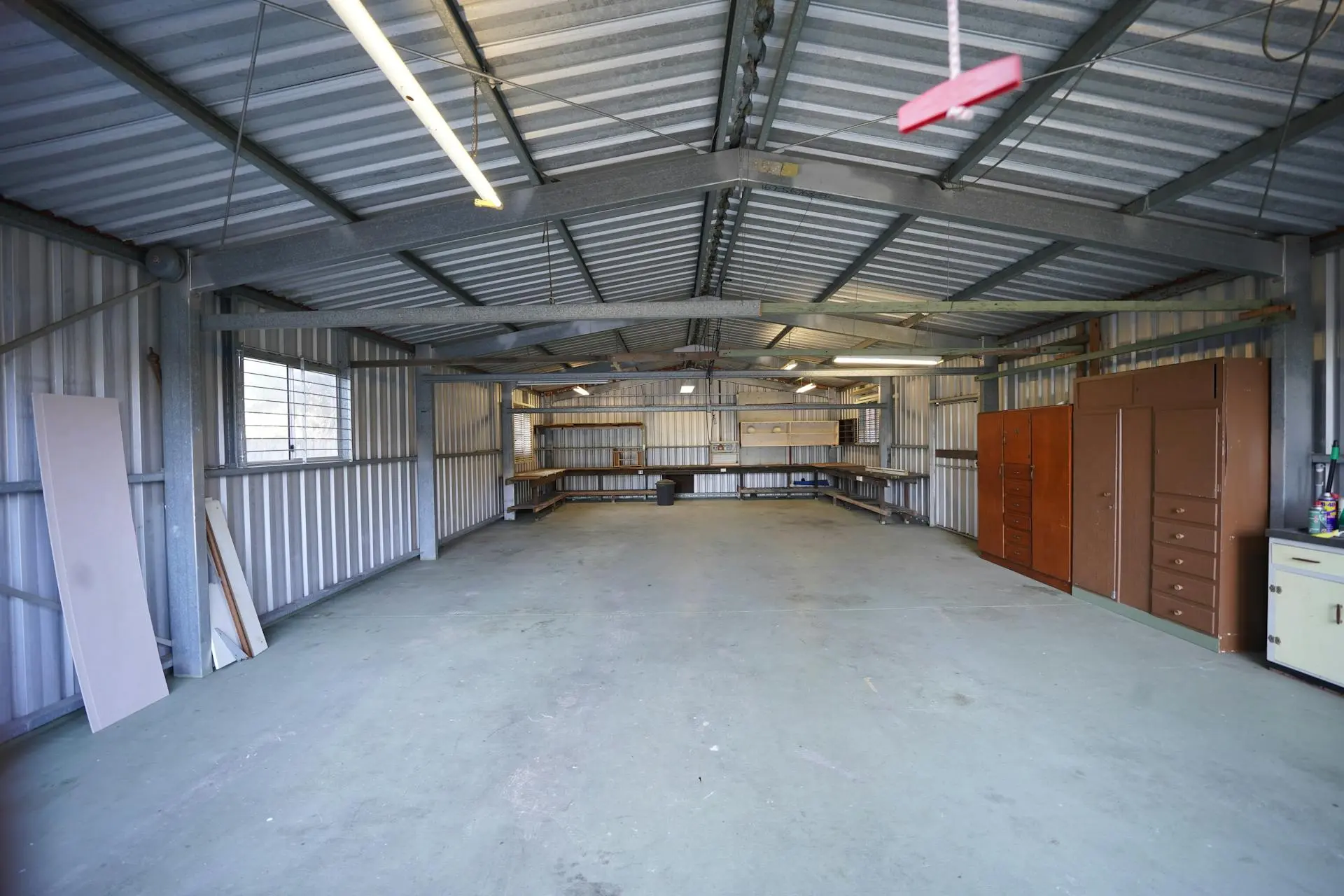
Indoor storage, such as a garage or covered unit, can offer strong protection from rain, sun, frost, bird droppings, and dirt. It can also reduce damage to the roof, windows, exterior seals, and upholstery. However, covered storage is usually more expensive and spaces may be harder to find.
Open air storage is generally easier to find and may cost less. Many open air storage sites still offer good security, but your caravan will be exposed to the weather. If you choose open air storage, you should pay close attention to cleaning, covers, ventilation, and regular checking.
A breathable caravan cover can help protect the exterior. Make sure the cover fits well and does not rub against windows, panels, or roof areas in the wind. Avoid using a cover that traps water or stops air moving, as this can lead to damp and mould.
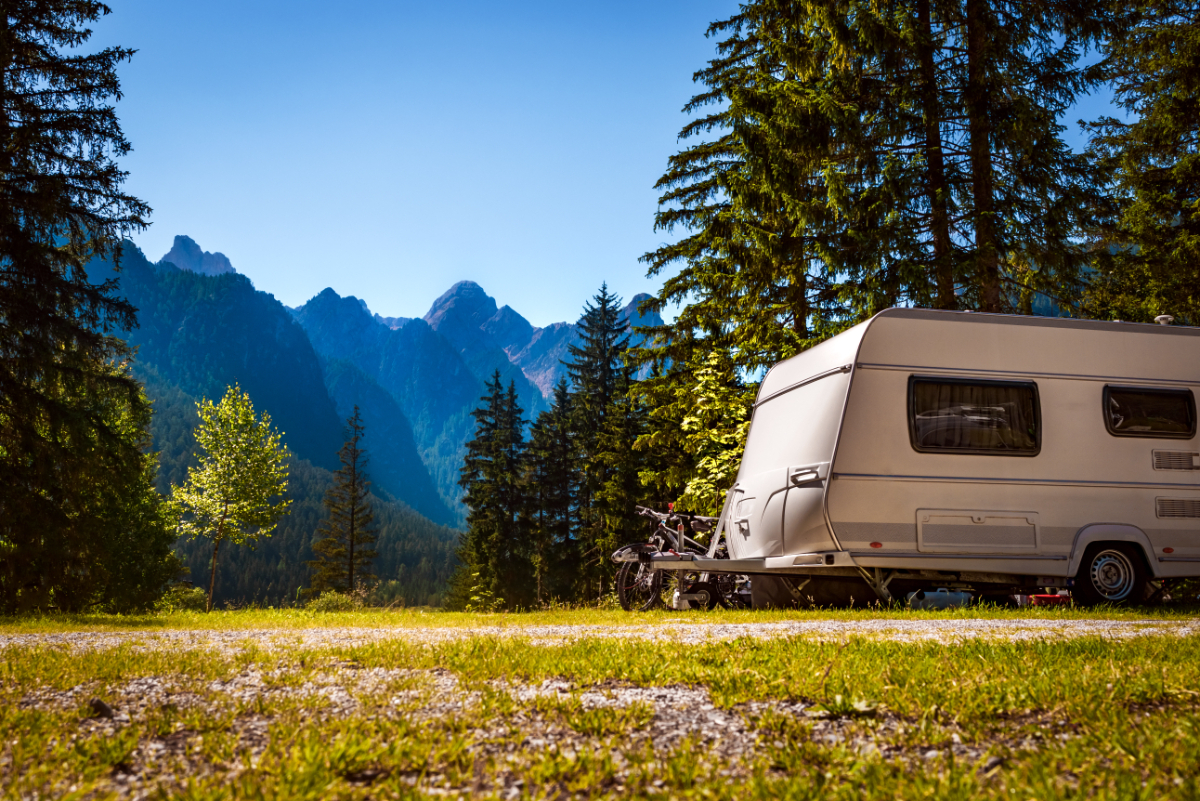
Preparing Your Caravan Before Storing
Before storing your caravan, take time to prepare it properly. This helps prevent damage and keeps it ready for your next season of use.
Start with a full clean. Wash the exterior, remove bird droppings, and check the roof, windows, seals, and bodywork for signs of damage. Bird droppings can damage paint and exterior surfaces if they are left for a long time. Cleaning the caravan before storage also makes it easier to spot any cracks, leaks, or loose fittings.
Inside, remove food, personal items, bedding, and anything that could attract pests. Clean the fridge, cupboards, bathroom, and kitchen areas. Leave the fridge door slightly open if safe to do so, as this helps air flow and prevents bad smells. Upholstery should be dry before storage, and soft items can be removed or stored in a warm, dry place at home.
Do not forget ventilation. Good air flow is essential for keeping the caravan dry inside. Check that vents are not blocked and that the caravan can breathe while stored. This is especially important during winter and long term storage.
Drain the Water System
The water system needs special attention before winter storage. Make sure you drain all water from the system to help prevent frozen pipes, leaks, and damage.
Open all taps, including the shower, and leave them open if this is advised for your caravan. Drain the water heater, toilet flush system, and any tanks. Remove or empty water containers and make sure pipes are as dry as possible.
If you are unsure how to drain the system correctly, follow the advice in your caravan handbook or speak to a service centre. This step is easy to forget, but it is one of the most important ways to protect your caravan during cold months.
Battery, Gas, and Electrical Safety
Remove gas cylinders where required by the storage facility. Some sites have strict rules about gas cylinders, so always check the terms before leaving your caravan. If cylinders are left in place, make sure they are switched off and stored safely.
The battery should also be checked. Some owners remove the battery and keep it charged at home. Others use a safe charging system, if allowed by the site. A flat battery can be frustrating when you return to collect the caravan, so remember to check it before a spring trip.
Make sure lights, heating, and other systems are switched off before storage. Check that windows, lockers, and doors are closed and secure. Remove valuables and do not leave items inside that may tempt thieves.
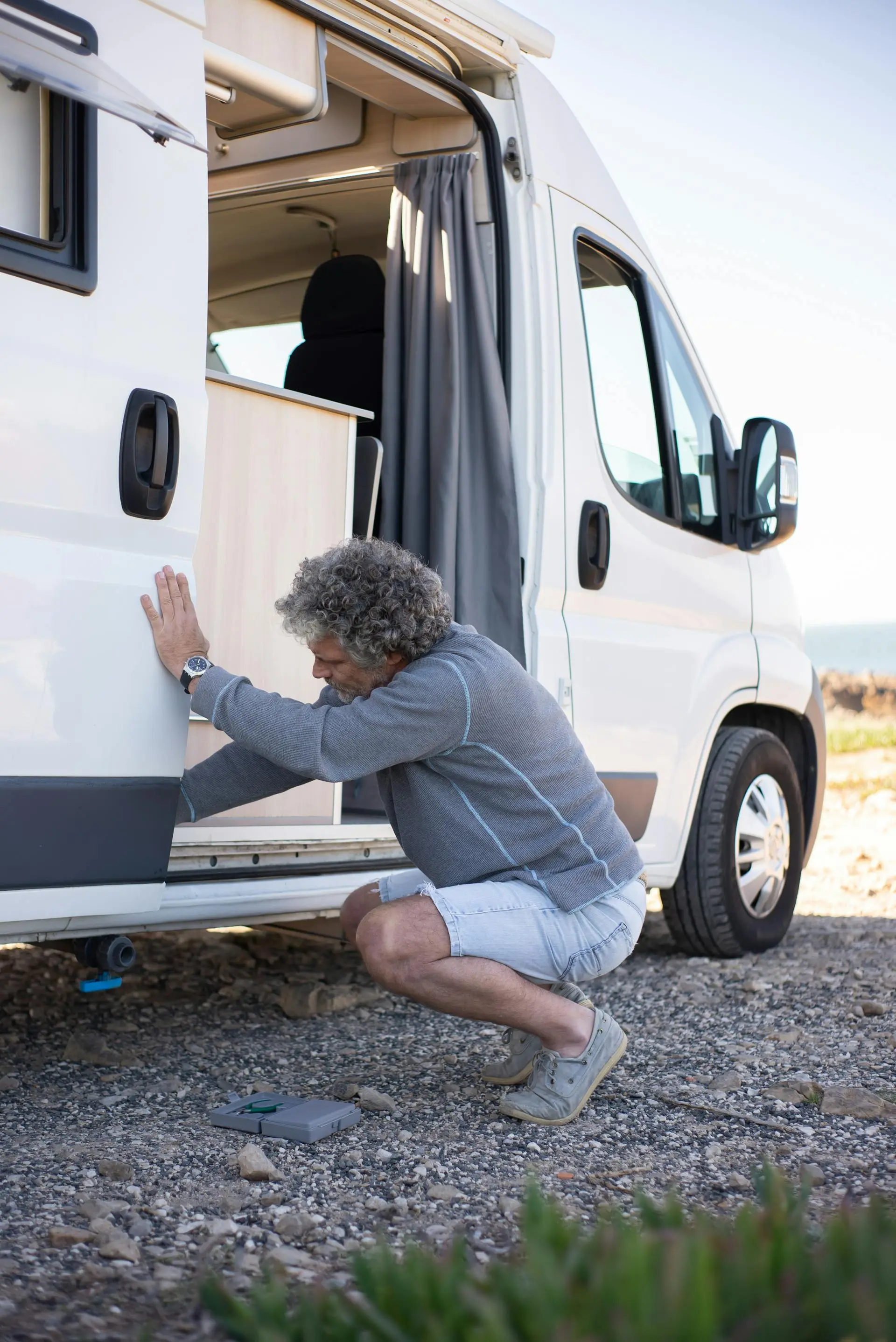
Wheels, Corner Steadies, and Surface
The way a caravan is parked during storage can affect its condition. A hard, level surface is generally better than grass because it helps reduce damp and makes access easier.
Use corner steadies correctly, but do not use them as the only support for the caravan. They are there to steady the caravan, not to lift it. Some people choose to use axle stands to take pressure off the suspension during long term storage. You may also want to move the caravan slightly from time to time, where allowed, to help prevent flat spots on the tyres.
Check tyre pressure before storage and again before your next trip. If the caravan will be stored for many months, it may be worth using winter wheels or older wheels, depending on your needs. Wheel locks and hitch locks should also be used as extra security.
Protecting Against Damp, Pests, and Damage
Damp is one of the main things to avoid when storing your caravan. Make sure the inside is clean, dry, and well ventilated. Check for signs of water entering around windows, roof lights, doors, and seals.
Pests can also cause damage, especially if food or soft items are left inside. Remove anything that might attract mice or insects. Close gaps where pests could enter, but do not block fixed ventilation points.
When you visit the storage site, check inside and outside the caravan. Look for signs of damp, damage, low tyres, loose covers, or anything that seems out of place. A quick check every few weeks can prevent small issues from becoming expensive repairs.
Access and Convenience
Security is essential, but access also matters. A storage site should be secure without making it difficult for you to collect your caravan when you need it.
Before choosing a site, check opening times, access rules, and whether you need to book visits. Some sites offer flexible access, while others have set hours. Make sure the location works for your usual travel plans, especially if you often leave early for a trip.
A convenient storage location can save time and make it easier to keep your caravan ready for the road. It can also make regular checks more likely, which helps with keeping the caravan in good condition.
Insurance and Site Terms
Before storing your caravan, check your insurance terms. Some policies may require you to use a secure storage facility, certain locks, or a storage site with CCTV. Your insurer may also ask for details about the site, its security, and where the caravan will be stored.
Read the storage site terms carefully before you pay. Check what is included in the cost, what access you have, how payments work, and what happens if damage occurs while the caravan is stored. You should also understand the notice period if you want to leave.
Some sites may display company information on their website, such as “Registered in England”. This can be useful, but you should still check reviews, visit the site, and make sure you feel confident before leaving your caravan there.
Getting Your Caravan Ready Again
When the new season starts, do not just collect your caravan and drive away. Give yourself time to check everything before your first trip.
Remove the cover, clean the exterior, and check for damage. Look at the tyres, wheels, lights, hitch, brakes, windows, roof, and gas system. Reconnect or charge the battery if it was removed. Flush and refill the water system, then check that taps, pumps, and drains work as expected.
Inside, air the caravan, clean surfaces, replace stored items, and check upholstery for signs of damp. Make sure safety items are in place and that nothing important has been removed or forgotten.
This final check helps ensure the caravan is safe, ready, and comfortable before it goes back on the road.
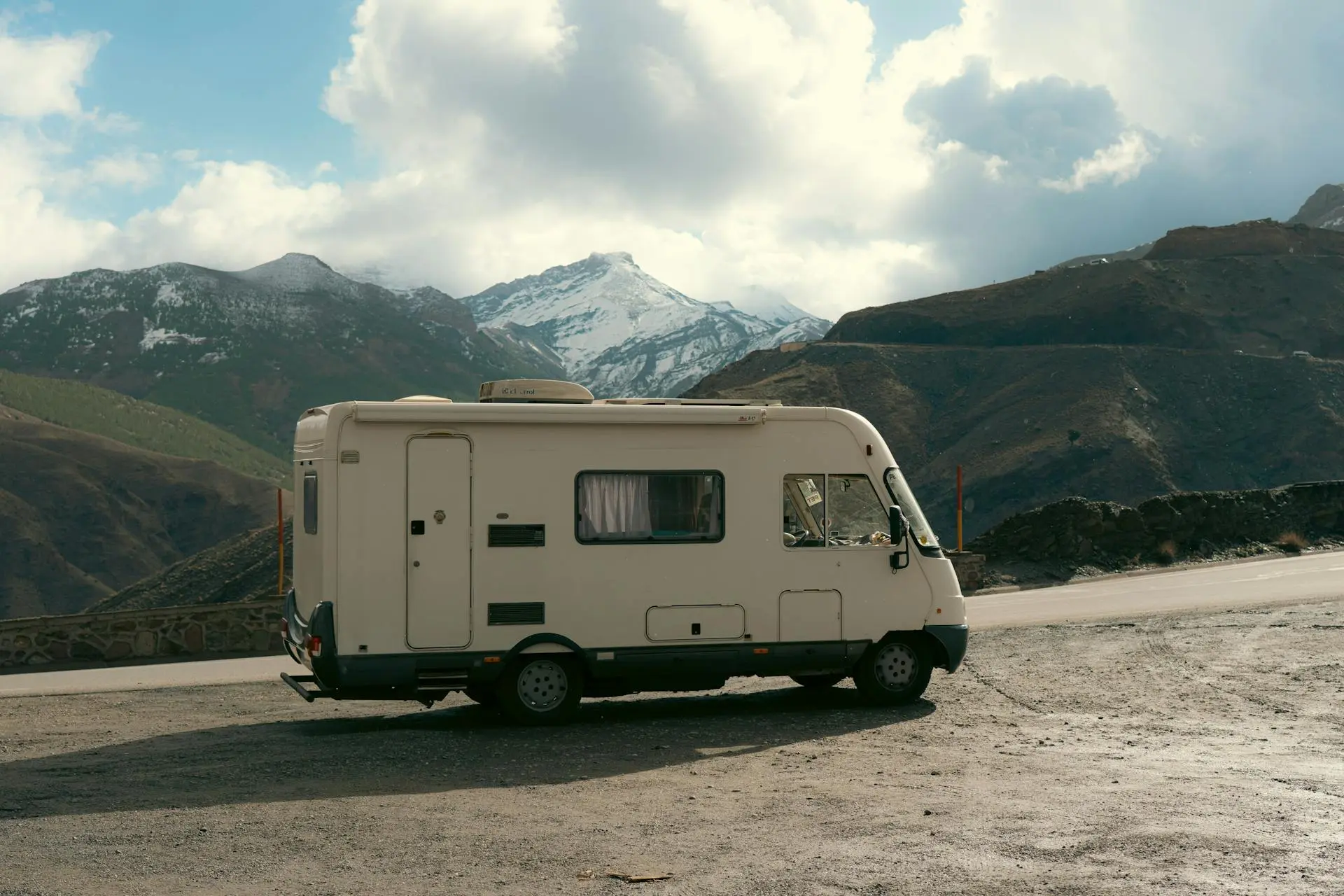
Caravan Storage for Motorhomes
Many of the same storage tips also apply to a motorhome. Motorhomes and caravans both need secure storage, good ventilation, regular checks, and protection from weather damage.
With a motorhome, you should also pay attention to the vehicle battery, engine, tyres, fuel, and road readiness. If it is stored for a long time, follow the advice in the handbook and check whether it should be started, moved, or maintained during storage.
A secure storage site that accepts motorhomes should offer enough space for safe access, turning, and parking. As with caravans, the right location can make storage easier and give peace of mind while the vehicle is not in use.
Final Caravan Storage Advice
Caravan storage is not only about finding a place to leave your caravan. It is about choosing a safe, secure, and convenient storage facility that helps protect your caravan until you need it again.
Make sure you clean and prepare the caravan before storing it. Drain the water system, open all taps where advised, remove valuable items, check ventilation, protect the exterior, and visit the site when possible. Pay attention to security, access, cost, and the condition of the storage area.
Whether you store your caravan at home, in a garage, under cover, or on an open air storage site, the main aim is the same: keep it secure, dry, clean, and ready for your next trip.
Keep your caravan safe and secure while you are not using it. Scottish Caravan Storage offer caravan and motorhome storage facilities in Scotland. Contact us today to look after your caravan.


